
SENSORY OVERLOAD
I don't agree with all the (mostly British) negativity about the IPL, but the imbalance between bat and ball needs addressing.


The advent of another IPL seems to bring out the inner-luddite in many people. “Can’t believe these scholars of the game – Simon Hughes and Simon Mann – are selling out to this crap!” was one comment on The Analyst YouTube channel after our IPL preview podcast (certainly the first time I have been garlanded with the description of ‘scholar’ in any context.) “Me too bro,” said another, “it is an irrelevant game that only excites Indians who now have a bit of money and can afford to go see live sport for the first time in their lives.” Ouch. Don’t be deceived by the use of the term ‘bro.’ These are probably people who also believe that children should be seen and not heard and still think spam is something you eat for lunch.
The racist overtones that tend to emerge from such digital conversations only illuminate a latent jealousy from cricket traditionalists that India has effectively ‘run off’ with a sport they ‘invented’ and contorted it into a garish circus. Yes there are aspects of the IPL that are unpalatable to diehards’ ears and eyes – it is an assault on the senses, both live and even on TV (partly because of the cringeable commentary) – but that doesn’t mean it should be categorised as ‘crap’ or ‘irrelevant.’ It is neither, and such accusations just bring out smug retorts from the host nation that “the English and Australians will continue to find it difficult to understand how and why Indians have taken a sport and elevated it to a culture with a reverence…” Harsh but probably true.
The fact is it’s a brilliantly successful product enabling thousands (players, coaches, analysts, PR people, marketeers, content creators) to make a decent living out of the game. Only 20 years ago, when Monty Panesar made his Test debut (in India, as it happens), he was only earning £12,000 from his life as a professional cricketer. In my era we earnt so little from the game we often tried to save our £7.50 daily meal allowance by going down the chippy for their 99p special.
The IPL was an opportunist’s (Lalit Modi’s) dream. It has of course created many conflicts in the game and undermined Test cricket’s diversity while at the same time improving its entertainment value and skill levels. It is the fault of cricket’s governing bodies for allowing the prosperity and viability of the domestic and international game to lapse, allowing the entrepreneurs in. The same thing happened 30 years before with Kerry Packer’s World Series Cricket. The governing bodies don’t learn, do they?!
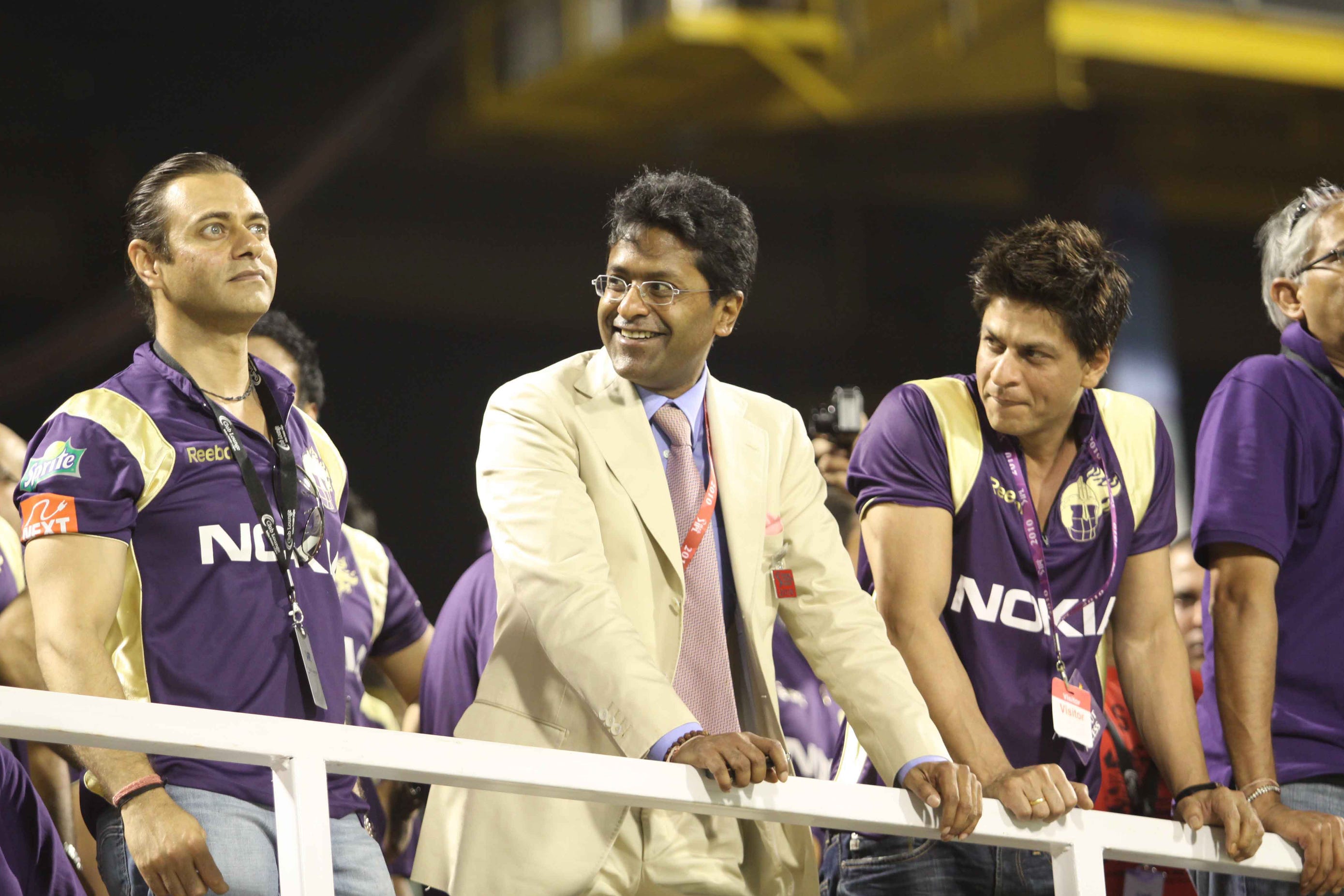
The same correspondent who calls the IPL ‘irrelevant’ also does however have a valid point about the over-dominance of bat on ball. “I know I sound like an old fuddy duddy,” he admits, “but I find swinging through the line on motorways, with boundary ropes brought in so much .... well, I just find it so boring.” With the first two IPL matches of the 2026 edition featuring 4 scores in excess of 200 – to add to the 52 instances last season – there is an issue here. In the early stages of most IPLs while the pitches are decent and the players not exhausted by the schedule, the bowlers are just whipping boys been flogged mercilessly. The introduction of the impact player – usually a bowler substituted for another power hitter - has just made this worse.
You can’t make the grounds bigger or the bats or players less powerful, the balls heavier or the pitch shorter. But here’s one idea to redress the balance in T20 – add a fourth stump. The uninitiated might not realise that early cricket was played with just two low, thin stumps and a crossbar. The ball frequently went between the two stumps, and some batsmen – notably a John Small of Hambledon – couldn’t be dismissed, sometimes for several days. So a third stump was added in 1775, and became permanent (except when certain self-aggrandizing dukes elected to do without it when it was their turn for a bat).
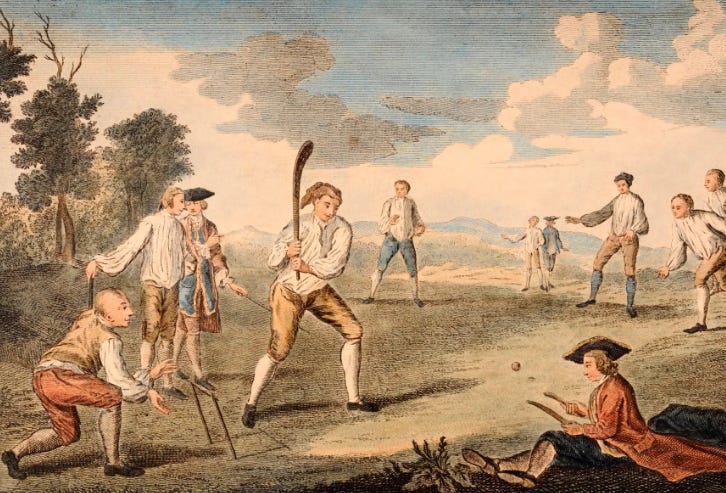
Adding a fourth stump would cause a minimum of fuss, might just redress the balance between bat and ball (in the IPL) and also offers the opportunity for another camera angle to augment the 28 already in use. Bowlers are always talking about bowling ‘fourth stump’ anyway. Now they could potentially get some actual reward for it. Worth a try? Whaddyathink? Or don’t you care that one day all T20 bowlers will be replaced by AI-operated machines?
We will continue to cover the IPL on the Analyst YouTube channel by the way as it IS proper cricket and the players take it seriously and it won’t ‘suddenly die when the billionaires lose interest.’ Infact two teams have just been sold for between $1.6 and $1.8billion, 20 times what they were originally bought for.
Great — now Virat Kohli can start chasing *6th stump* balls.
The sixth stump is a pretty fun idea, mainly to rile up people who are overly traditionalist. But why not first consider more conservative changes, like fewer field restrictions?
Hiya Simon. I agree with the complaint that T20 can be rather dull, even if it’s a sea of sixes being hit. The observation extend to all top tier T20 games and not just the IPL.
The impact Player rule is daft and should be revoked for the reasons you outline.
To make it more compelling, the balance between bat and ball could be restored by changing the conditions of play so that a batter is given out when they hit a six. The maximum they can score with a single shot is four. So if they cart it over the rope, they score four and have to walk.
I think also it might be beneficial to limit the weight and depth (thickness) of bats. Their width and material are restricted at the moment and so players’ bats are inspected before the game. What those limits should be is TBC, but making them a bit thinner would reduce the number of mishits going to the boundary and discourage crap technique. All formats of the game could benefit from that.
Failing that, how about a single exploding ball per innings? The unfortunate batter gets covered in dye powder and given out.